The Historical View of Women’s Beauty

Beauty has always been a powerful cultural force that reflects the values, beliefs, and social structures of a society. Throughout history, the concept of women’s beauty has evolved dramatically, shaped by religion, politics, economics, art, and changing cultural ideals. What one era considered beautiful often differed greatly from another, revealing how beauty standards are not fixed but instead change with time. From ancient civilizations to modern global culture, the historical view of women’s beauty offers insight into how societies perceive femininity, status, and identity.
Beauty in Ancient Civilizations
In ancient civilizations, beauty was often closely tied to fertility, health, and divine symbolism. Early societies believed that physical appearance reflected spiritual or social significance. For example, in Ancient Egypt, women were admired for their symmetry, smooth skin, and slender bodies. Egyptian women used cosmetics extensively, including kohl eyeliner, perfumes, and oils.
Beauty was associated with order and harmony, qualities that were highly valued in Egyptian culture. Both wealthy and ordinary women participated in beauty rituals, showing that appearance held importance across social classes.
In Ancient Greece, beauty was strongly connected to the concept of proportion and balance.
Greek philosophy celebrated the idea that beauty represented harmony and perfection. Sculptures and artworks portrayed women with idealized features—balanced facial symmetry, clear skin, and proportionate bodies. However, Greek beauty standards were somewhat modest compared to later eras. Women were admired for natural beauty, graceful posture, and simplicity rather than elaborate decoration.
In Ancient Rome, beauty became more elaborate and stylized. Roman women often wore complex hairstyles, cosmetics, and jewelry to display status. Pale skin became fashionable because it symbolized wealth and freedom from outdoor labor. Women used powders, creams, and even dangerous chemical mixtures to achieve the desired appearance. Beauty was increasingly linked with social status, luxury, and wealth.
Beauty in the Middle Ages
During the Middle Ages, beauty ideals were heavily influenced by religious beliefs, particularly Christianity in Europe. Modesty and purity became central themes in the perception of feminine beauty. Women were often expected to dress modestly, cover their hair, and avoid excessive decoration.
The ideal medieval beauty included pale skin, high foreheads, delicate facial features, and long hair. Pale skin continued to represent nobility because it suggested that a woman did not work outdoors. Some women even plucked their hairlines to create the appearance of a higher forehead, which was considered elegant and refined.
Art from the medieval period often portrayed women in ways that emphasized spiritual qualities rather than sensual beauty. Many depictions focused on religious figures such as the Virgin Mary, whose beauty symbolized purity, grace, and divine virtue. In this era, beauty was less about physical attraction and more about moral character and religious symbolism.
The Renaissance and the Celebration of Beauty
The Renaissance marked a dramatic shift in the perception of women’s beauty. As art, science, and philosophy flourished, society began to celebrate human form and individuality. Renaissance artists painted women with fuller figures, soft curves, and glowing skin. These features symbolized wealth, fertility, and prosperity.
Artists such as Leonardo da Vinci and Sandro Botticelli portrayed women with graceful poses and serene expressions. Beauty became a central theme in art, poetry, and literature. Women were often depicted with golden hair, pale skin, rounded bodies, and delicate features.
In this period, beauty represented not only physical appearance but also intellectual and cultural sophistication. Noblewomen were admired for their elegance, education, and refinement. The Renaissance expanded the concept of beauty beyond the purely spiritual ideals of the Middle Ages, embracing both physical and artistic expression.
Beauty in the 18th and 19th Centuries
During the 18th century, beauty standards became increasingly elaborate and theatrical, particularly among European aristocracy. Women wore elaborate wigs, heavy makeup, and extravagant clothing. Powdered faces, rosy cheeks, and ornate hairstyles became symbols of high social status. Beauty rituals were often time-consuming and involved numerous cosmetic products.
The Victorian era of the 19th century introduced a more restrained and moralistic view of beauty. Modesty and virtue became central ideals once again. Women were expected to appear delicate, feminine, and refined. A pale complexion remained fashionable, and a slender waist became a major beauty standard.
Corsets played a significant role in shaping the female silhouette during this time. Women wore tightly laced garments to achieve the desired hourglass figure, emphasizing a narrow waist and full skirt. While this style created a striking appearance, it often caused physical discomfort and health problems.
Beauty during the Victorian period also emphasized emotional restraint and grace. Women were admired for their gentleness, kindness, and composure as much as for their physical appearance.
Beauty in the Early 20th Century
The early 20th century introduced dramatic changes in women’s beauty standards, largely influenced by social movements, technological innovation, and the rise of mass media.
In the 1920s, the flapper era celebrated a more youthful and androgynous look. Women cut their hair into short bobs, wore lighter makeup, and adopted more relaxed clothing styles. The slim, boyish figure became fashionable, reflecting a new sense of independence and social freedom.
By the 1950s, beauty ideals shifted again toward a more curvaceous figure. Hollywood actresses became global icons of beauty, and glamorous styles dominated fashion. Women embraced polished hairstyles, elegant dresses, and refined makeup. Beauty was associated with sophistication, charm, and femininity.
During the 1960s and 1970s, cultural revolutions encouraged more diverse expressions of beauty.
The natural look became popular, and women experimented with bold fashion, hairstyles, and cosmetics. Beauty was increasingly connected to personal expression and individuality rather than strict social expectations.
Beauty in the Modern Era
In the modern era, beauty standards have become more diverse and globalized. Media, technology, and social networks allow different cultures and perspectives to influence what society considers beautiful.
The late 20th and early 21st centuries saw the rise of the fashion and modeling industries as major forces shaping beauty standards. At times, extremely thin body types dominated popular culture, leading to criticism and debates about unrealistic beauty ideals.
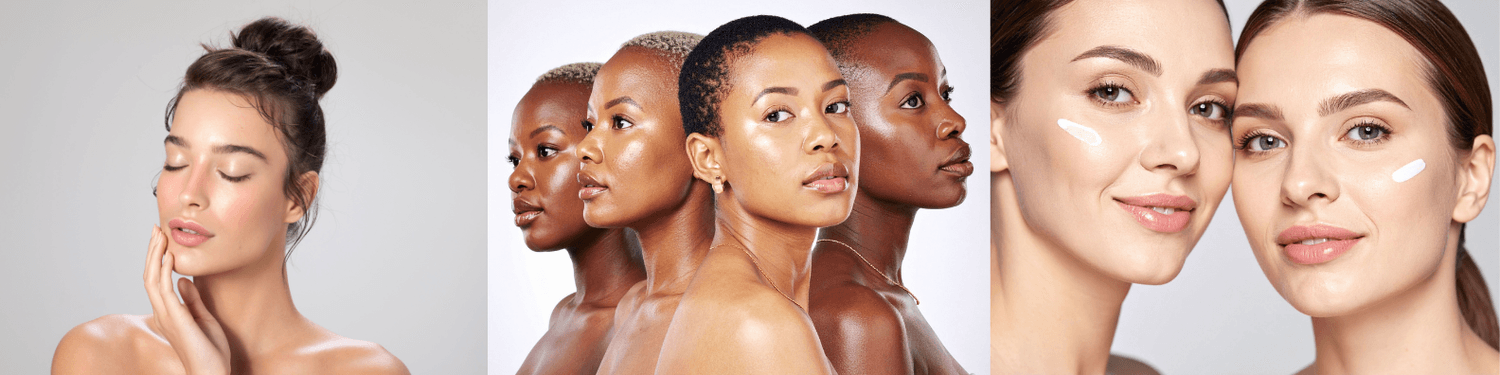
In response, movements promoting body positivity and inclusivity have gained momentum. Many people now advocate for broader definitions of beauty that include different body types, ages, skin tones, and cultural identities.
Beauty in the modern world is increasingly connected to confidence, authenticity, and self-expression. Rather than a single universal ideal, society now recognizes many different forms of beauty.
Cultural Diversity in Beauty
Another important aspect of historical beauty standards is cultural diversity. Different societies have always had unique ideas about what makes a woman beautiful.
For example, in some African cultures, body adornments such as beads, braids, and body art have long been important symbols of beauty and identity. In many Asian cultures, porcelain-like skin and delicate facial features have traditionally been admired. In other regions, body shapes, hairstyles, and clothing styles reflect local customs and traditions.
These cultural differences demonstrate that beauty is not universal but shaped by historical context, geography, and social values.
The Influence of Media and Technology
In recent decades, media and technology have dramatically transformed how beauty is perceived and promoted. Photography, film, television, and social media allow beauty ideals to spread rapidly across the world.
Social media platforms now allow individuals to influence beauty trends directly. Bloggers, influencers, and everyday users share beauty routines, fashion tips, and self-care advice with global audiences.
However, technology has also introduced new challenges. Photo editing, filters, and digital manipulation can create unrealistic beauty standards that may affect self-esteem and mental health. As a result, many organizations and campaigns now promote authenticity and encourage people to embrace natural beauty.
Beauty Beyond Appearance
Today, many people believe that beauty extends beyond physical appearance. Qualities such as kindness, intelligence, confidence, and creativity are increasingly recognized as essential aspects of beauty.
Historically, societies often judged women primarily based on their appearance. Modern perspectives encourage a broader understanding that values personality, character, and achievements.
This shift reflects larger changes in gender roles and social expectations. As women have gained greater opportunities in education, careers, and leadership, beauty is no longer the primary measure of a woman’s worth or identity.
Conclusion
The historical view of women’s beauty reveals how deeply cultural values shape our perception of appearance. From ancient civilizations that connected beauty with harmony and fertility to modern societies that emphasize individuality and inclusivity, beauty standards have continually evolved.
Each era reflects its own social priorities, whether religious devotion, aristocratic status, artistic expression, or personal empowerment. What was considered beautiful in one period may differ dramatically from another, reminding us that beauty is not fixed but constantly changing.
Understanding the history of beauty allows us to appreciate the diversity of human culture and the many ways societies celebrate femininity. Today, as global perspectives continue to expand, beauty is increasingly defined by authenticity, confidence, and self-expression. Rather than fitting into a single standard, modern beauty celebrates the unique qualities that make each woman distinctive and remarkable.
The historical journey of women’s beauty ultimately shows that true beauty goes beyond physical appearance—it reflects culture, identity, creativity, and the evolving story of humanity itself.