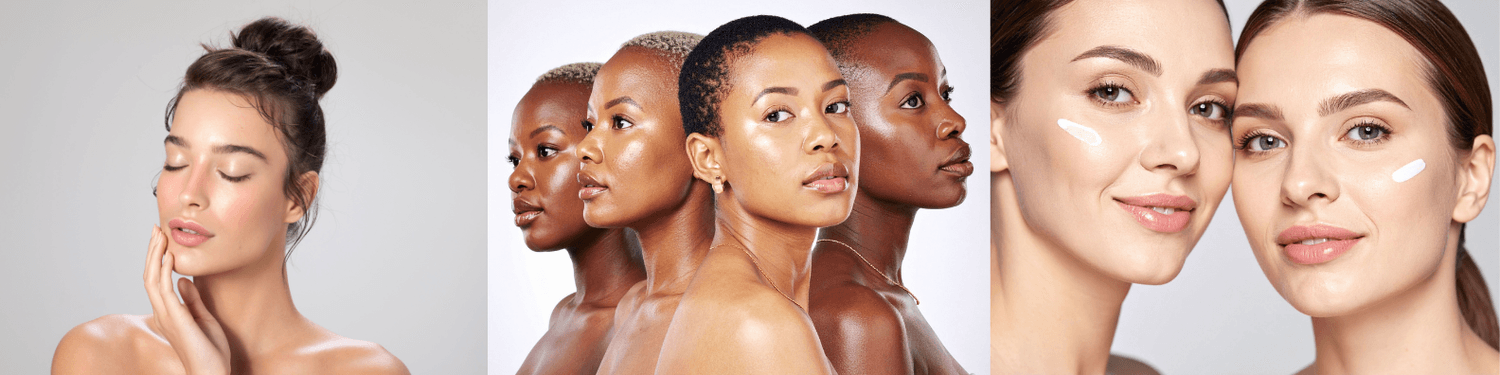
The Role of Self-Care in Women’s Beauty
Beauty has long been associated with appearance—clear skin, bright eyes, and a radiant smile. Yet, in modern conversations about wellness and confidence, beauty is increasingly understood as something deeper than outward features. True beauty begins from within and grows through habits that nourish the body, mind, and spirit. One of the most powerful ways women cultivate lasting beauty is through self-care.
Self-care is not simply about pampering oneself with spa days or beauty treatments. It is the intentional practice of caring for one’s physical health, emotional well-being, and mental balance. When women invest time in self-care, they strengthen their confidence, improve their health, and naturally enhance their appearance. Self-care allows beauty to become an expression of wellness rather than just cosmetics or fashion.
Understanding the role of self-care in women’s beauty reveals how inner health, emotional stability, and daily habits work together to create a radiant and authentic presence.
Understanding Self-Care
Self-care refers to the practices individuals use to maintain their health, manage stress, and support overall well-being. For women, self-care often includes a combination of physical health habits, emotional nurturing, mental relaxation, and personal boundaries.
In a busy world filled with responsibilities—work, family, relationships, and social expectations—women frequently place their own needs last. However, neglecting personal well-being can lead to fatigue, stress, and burnout. Over time, this exhaustion may show in physical appearance through dull skin, tired eyes, and decreased confidence.
Self-care restores balance. It provides time for rest, reflection, and renewal. When women intentionally nurture themselves, their energy returns, their mood improves, and their natural beauty becomes more visible.
True beauty, therefore, is not created by external products alone. It grows from consistent care of the body and mind.
Physical Self-Care and Beauty
The most visible connection between self-care and beauty is physical health. The body reflects how well it is cared for, and healthy habits directly influence appearance.
Nutrition and Skin Health
What women eat significantly affects their skin, hair, and overall vitality. A diet rich in fruits, vegetables, healthy fats, and proteins provides the vitamins and antioxidants needed to maintain healthy skin.
Foods high in vitamins A, C, and E help protect skin cells from damage and support collagen production, which keeps skin firm and youthful. Hydration is equally important. Drinking enough water keeps skin moisturized and supports the body’s natural detoxification processes.
When women nourish their bodies with balanced nutrition, their skin often becomes clearer, brighter, and more resilient.
Sleep and Radiance
Sleep is one of the most overlooked beauty tools. During sleep, the body repairs tissues, restores energy, and regulates hormones. Without adequate rest, women may experience dark circles, dull skin, and increased stress levels.
Quality sleep allows the body to regenerate skin cells and maintain healthy hormonal balance. Women who consistently get enough sleep often wake with brighter eyes, improved mood, and a refreshed appearance.
In many ways, sleep functions as nature’s most effective beauty treatment.
Exercise and Natural Glow
Regular physical activity is another essential element of self-care. Exercise improves circulation, allowing oxygen and nutrients to reach skin cells more efficiently. This increased blood flow often produces a natural glow and healthier complexion.
Exercise also reduces stress hormones while releasing endorphins that boost mood. Women who engage in regular movement—whether through walking, yoga, strength training, or dance—often experience increased confidence and vitality.
The result is not only improved physical health but also a visible sense of energy and beauty.
Emotional Self-Care and Confidence
Beauty is deeply connected to emotional well-being. When women feel secure, valued, and emotionally balanced, their confidence shines through their posture, expression, and interactions with others.
Self-Acceptance
Self-care encourages women to develop self-acceptance. Instead of constantly comparing themselves to unrealistic standards, women who practice emotional self-care learn to appreciate their unique qualities.
This shift in mindset can be transformative. Confidence is often more attractive than any cosmetic feature. When a woman embraces her individuality, she projects authenticity and strength.
Self-acceptance helps redefine beauty as something personal rather than something dictated by society.
Managing Stress
Chronic stress can significantly affect physical appearance and emotional health. High stress levels can contribute to skin issues, hair loss, fatigue, and premature aging.
Emotional self-care practices—such as meditation, journaling, or spending time in nature—help women process their emotions and reduce stress. These practices allow the mind to relax and restore balance.
As stress decreases, the body’s natural systems function more effectively, and women often experience improved skin health and overall vitality.
Healthy Relationships
Another important aspect of emotional self-care involves maintaining healthy relationships. Supportive friendships, family connections, and meaningful conversations provide emotional nourishment.
Women who surround themselves with positive influences often feel more confident and valued. This emotional support contributes to mental well-being and enhances a sense of inner beauty.
Mental Self-Care and Inner Peace
Mental health plays a powerful role in how beauty is experienced and expressed. A calm and focused mind contributes to a peaceful presence that others naturally find attractive.
Mindfulness and Awareness
Mindfulness practices help women remain present in the moment rather than constantly worrying about the future or dwelling on the past. Activities such as meditation, deep breathing, or quiet reflection allow the mind to slow down and reset.
When women cultivate mindfulness, they often experience reduced anxiety and improved emotional clarity. This calmness can influence facial expressions, body language, and overall demeanor.
A peaceful mind often creates a gentle and inviting form of beauty.
Personal Growth
Self-care also includes investing in personal growth. Reading, learning new skills, pursuing hobbies, or setting meaningful goals contribute to a sense of purpose.
Women who engage in continuous learning and self-development often develop confidence and intellectual curiosity. These qualities create a sense of depth and character that enhances beauty in a lasting way.
Beauty becomes not just a physical attribute but a reflection of wisdom, curiosity, and personal strength.
Spiritual Self-Care and Inner Light
For many women, spiritual well-being forms another important aspect of self-care. Spirituality does not necessarily mean religious practice, although it may include prayer or faith traditions. It simply refers to connecting with something meaningful and greater than oneself.
Practices such as prayer, meditation, gratitude journaling, or quiet reflection can nurture a sense of peace and purpose. When women feel spiritually grounded, they often experience increased resilience and emotional stability.
This sense of inner peace often radiates outward. People may describe spiritually grounded individuals as having an “inner glow” or “light.” This form of beauty cannot be replicated by makeup or fashion; it comes from a deep sense of alignment and purpose.
The Influence of Self-Care on Self-Confidence
Confidence is one of the most powerful elements of beauty. Women who practice self-care develop greater awareness of their needs and boundaries. They learn to prioritize their health, manage stress, and cultivate self-respect.
When a woman feels physically healthy, emotionally balanced, and mentally focused, her confidence naturally grows. She walks with more assurance, communicates with clarity, and interacts with others from a place of authenticity.
Confidence changes how beauty is perceived. Instead of relying on external validation, women who practice self-care define beauty according to their own values.
This empowerment allows beauty to become an expression of self-respect rather than societal pressure.
Challenging Unrealistic Beauty Standards
Modern media often presents narrow and unrealistic beauty standards that can affect how women perceive themselves. Constant exposure to edited images and idealized appearances may create feelings of inadequacy.
Self-care offers a powerful response to these pressures. By focusing on health, well-being, and personal happiness, women can shift their attention away from comparison and toward self-appreciation.
This perspective encourages a more inclusive and compassionate understanding of beauty. Every woman’s beauty becomes unique, shaped by her experiences, personality, and self-care practices.
When self-care becomes the foundation of beauty, the focus moves from perfection to authenticity.
Simple Self-Care Practices for Enhancing Beauty
Self-care does not require elaborate routines or expensive treatments. Small daily habits can have a profound impact on overall well-being and appearance.
Some simple practices include:
• Drinking plenty of water throughout the day
• Getting seven to eight hours of sleep each night
• Eating balanced meals with fresh fruits and vegetables
• Taking regular breaks to relax and recharge
• Practicing gratitude or journaling
• Spending time outdoors in nature
• Engaging in regular physical activity
• Setting healthy personal boundaries
• Connecting with supportive friends and family
These practices nurture both inner and outer well-being. Over time, consistent self-care creates lasting improvements in mood, health, and confidence.
Self-Care as a Lifelong Commitment
Beauty is not a fixed trait; it evolves throughout life. As women grow older, their understanding of beauty often deepens. Experiences, wisdom, and personal growth contribute to a richer and more meaningful sense of attractiveness.
Self-care supports this journey at every stage of life. Young women may focus on developing healthy habits and confidence, while older women may prioritize balance, emotional peace, and wellness.
Regardless of age, self-care remains an essential tool for maintaining vitality and self-respect.
By caring for themselves, women honor their bodies, protect their mental health, and cultivate lasting beauty that reflects both strength and grace.
Conclusion
The role of self-care in women’s beauty extends far beyond cosmetic routines. It involves nurturing the body through nutrition, sleep, and exercise; supporting emotional health through self-acceptance and stress management; cultivating mental clarity through mindfulness and learning; and finding inner peace through spiritual reflection.
When women practice consistent self-care, beauty becomes a natural result of well-being rather than a goal defined by external standards. Healthy habits, emotional balance, and self-confidence create a radiant presence that cannot be replicated by appearance alone.
True beauty is not simply what others see on the surface. It is the reflection of a woman who values herself, cares for her health, and embraces her unique identity.
Through self-care, women discover that the most powerful form of beauty is the one that grows from within.