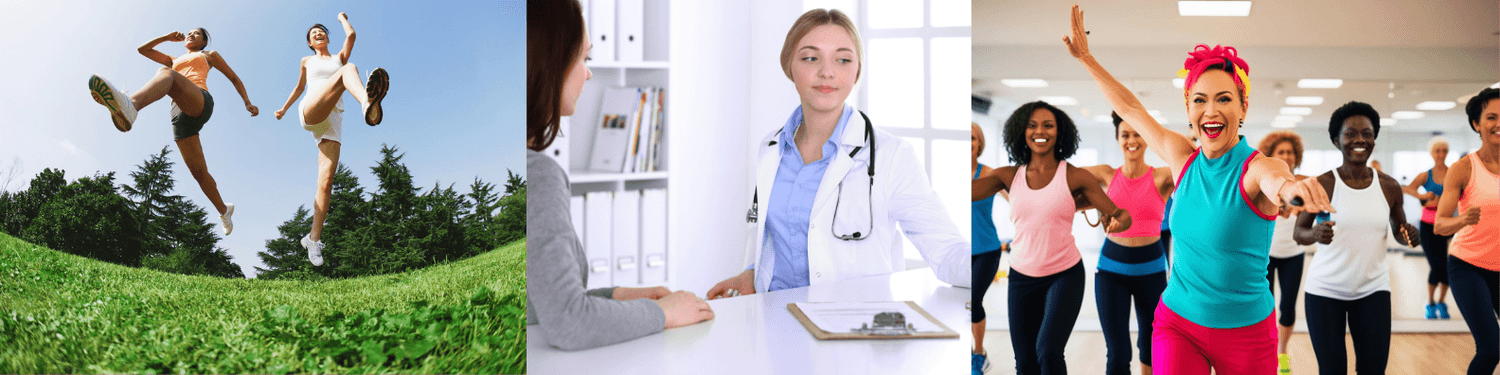
Women’s Physical Activity and Fitness
Women’s physical activity and fitness play a critical role in maintaining overall health, preventing disease, and enhancing quality of life. Regular exercise benefits the body, mind, and emotional well-being, helping women stay strong, energetic, and resilient throughout every stage of life. From adolescence to older adulthood, physical activity supports heart health, strengthens muscles and bones, improves mood, and helps manage weight. In today’s modern world—where many people spend long hours sitting—maintaining an active lifestyle has become more important than ever.
This article explores the importance of physical activity for women, the different types of exercise, health benefits, recommended activity levels, and practical strategies for building a sustainable fitness routine.
The Importance of Physical Activity for Women
Physical activity is any movement of the body that requires energy. This includes structured exercise like running, strength training, and swimming, as well as everyday activities such as walking, gardening, or climbing stairs. For women, staying physically active provides essential benefits that affect nearly every system in the body.
One of the most significant reasons women should prioritize fitness is disease prevention. Regular exercise helps reduce the risk of chronic conditions such as heart disease, type 2 diabetes, high blood pressure, and certain cancers, including breast and colon cancer. It also strengthens the immune system, allowing the body to fight infections more effectively.
Physical activity also plays an essential role in hormone regulation. Women experience many hormonal changes throughout life—from puberty and pregnancy to menopause. Exercise can help stabilize hormones, reduce symptoms such as mood swings or fatigue, and support metabolic health.
Another key benefit is mental well-being. Exercise releases endorphins, often called “feel-good hormones,” which help reduce stress, anxiety, and depression. Women who exercise regularly often experience improved self-confidence, better sleep, and greater emotional balance.
Physical Activity Across the Stages of a Woman’s Life
Women’s fitness needs change throughout life, and understanding these stages helps create effective exercise habits.
Adolescence and Young Adulthood
During adolescence, physical activity supports healthy growth and development. Exercise strengthens bones during the years when bone density is being built. Activities like running, sports, and strength training help young women develop strong muscles and maintain a healthy body composition.
Young adulthood is also a crucial time to establish lifelong fitness habits. Women who maintain an active lifestyle early in life are more likely to stay healthy and physically active later on.
Pregnancy and Postpartum
Physical activity during pregnancy can provide many benefits when approved by a healthcare provider. Moderate exercise such as walking, swimming, and prenatal yoga helps maintain cardiovascular health, reduce pregnancy discomfort, and improve mood.
Exercise during pregnancy may also reduce the risk of gestational diabetes and improve sleep. After childbirth, gradual return to physical activity can help restore strength, support mental health, and assist with postpartum recovery.
Midlife and Menopause
During midlife, hormonal changes may lead to weight gain, decreased bone density, and muscle loss. Regular exercise helps counter these changes. Strength training is particularly important during this stage because it preserves muscle mass and supports bone health.
Cardiovascular exercise also becomes critical during midlife since women’s risk for heart disease increases after menopause.
Older Adulthood
For older women, physical activity helps maintain independence and mobility. Balance exercises, flexibility training, and low-impact cardio activities can reduce the risk of falls and improve overall strength.
Even moderate physical activity in later life significantly improves longevity and quality of life.
Types of Physical Activity for Women
A balanced fitness routine includes several types of exercise, each offering unique health benefits.
Cardiovascular Exercise
Cardio exercises strengthen the heart and lungs while improving endurance. Activities such as brisk walking, cycling, swimming, dancing, and jogging help increase circulation and burn calories.
Cardiovascular exercise reduces the risk of heart disease, improves lung function, and helps maintain a healthy weight. Many women find cardio activities enjoyable and accessible because they require minimal equipment.
Strength Training
Strength training builds muscle mass and improves metabolism. Women sometimes avoid strength training due to concerns about becoming bulky, but this is a misconception. Instead, resistance training helps tone the body, improve posture, and strengthen bones.
Common strength training methods include:
Weightlifting
Resistance bands
Bodyweight exercises like squats, push-ups, and lunges
Pilates
Strength training also helps prevent osteoporosis, a condition that weakens bones and affects many women later in life.
Flexibility and Mobility Training
Flexibility exercises improve joint range of motion and reduce the risk of injury. Stretching, yoga, and mobility drills help keep muscles relaxed and improve posture.
These exercises are especially helpful for women who spend long hours sitting or working at desks.
Balance Training
Balance exercises are often overlooked but become increasingly important with age. Activities such as tai chi, yoga, and simple balance drills improve coordination and stability.
Better balance reduces the risk of falls and helps maintain independence in later years.
Health Benefits of Physical Activity for Women
Regular physical activity offers a wide range of benefits that extend beyond physical appearance.
Heart Health
Heart disease is one of the leading causes of death among women. Exercise strengthens the heart muscle, lowers blood pressure, improves cholesterol levels, and enhances circulation.
Women who maintain regular physical activity significantly reduce their risk of cardiovascular disease.
Weight Management
Exercise helps regulate metabolism and burn calories. Combined with healthy nutrition, physical activity helps maintain a healthy body weight.
Maintaining a healthy weight reduces the risk of diabetes, joint pain, and metabolic disorders.
Bone Strength
Weight-bearing exercises such as walking, jogging, and resistance training stimulate bone growth and help maintain bone density. This is especially important for women because they are more likely than men to develop osteoporosis.
Mental Health and Emotional Well-being
Physical activity is one of the most powerful natural tools for improving mental health. Exercise helps reduce symptoms of anxiety and depression while improving mood and cognitive function.
Women who exercise regularly often report higher self-esteem, increased energy levels, and improved sleep quality.
Improved Energy and Productivity
Regular exercise increases oxygen delivery to tissues and improves mitochondrial function within cells. This leads to higher energy levels throughout the day.
Many women find that maintaining a consistent exercise routine improves focus, productivity, and overall motivation.
Recommended Physical Activity Levels
Health organizations recommend that adults engage in a combination of aerobic and strength activities each week.
General guidelines include:
150 minutes of moderate aerobic activity per week
75 minutes of vigorous aerobic activity per week
Strength training at least two days per week
Moderate aerobic activities include brisk walking or cycling, while vigorous activities include running or high-intensity interval training.
However, even small amounts of activity provide benefits. Women who are currently inactive can start with short sessions and gradually increase duration and intensity.
Common Barriers to Women’s Fitness
Despite the many benefits of exercise, many women face barriers that make it difficult to stay active.
Time Constraints
Work responsibilities, family obligations, and caregiving roles often limit the time available for exercise.
Short workouts, home-based fitness routines, and active commuting can help overcome these barriers.
Lack of Confidence
Some women feel uncomfortable exercising in gyms or public spaces. Supportive communities, online fitness programs, or small group classes can create a more comfortable environment.
Fatigue and Stress
Busy schedules and stress may reduce motivation to exercise. Ironically, regular physical activity often reduces fatigue and improves energy levels.
Practical Strategies for Staying Active
Building a sustainable fitness routine requires realistic and enjoyable habits.
Start Small
Women who are new to exercise should begin with manageable goals, such as walking for 10–15 minutes per day. Gradually increasing activity helps prevent injury and builds confidence.
Choose Activities You Enjoy
Enjoyable activities are easier to maintain long term. Some women prefer dancing, hiking, swimming, or group fitness classes rather than traditional gym workouts.
Create a Routine
Scheduling workouts like appointments increases consistency. Morning or lunchtime workouts may help prevent interruptions later in the day.
Find Social Support
Exercising with friends, family members, or fitness groups can increase motivation and accountability.
Mix It Up
Variety prevents boredom and ensures different muscle groups are engaged. Rotating between cardio, strength, and flexibility workouts keeps routines fresh and effective.
The Future of Women’s Fitness
The fitness industry has increasingly recognized the unique needs of women. New programs focus on hormone-friendly workouts, strength training for longevity, and personalized fitness plans.
Technology also plays a growing role. Fitness apps, wearable devices, and virtual coaching allow women to track progress and stay motivated.
Community-based fitness programs, outdoor activities, and wellness initiatives are helping more women access safe and inclusive environments for exercise.
Conclusion
Women’s physical activity and fitness are essential components of long-term health and well-being. Regular exercise supports cardiovascular health, strengthens muscles and bones, improves mental health, and enhances energy levels. It also helps women navigate the physical and hormonal changes that occur throughout life.
By incorporating a balanced mix of cardiovascular exercise, strength training, flexibility work, and balance activities, women can build a strong foundation for lifelong wellness. Overcoming common barriers and adopting sustainable habits allows physical activity to become a natural part of daily life.
Ultimately, fitness is not about perfection or extreme workouts—it is about consistency, movement, and self-care. When women prioritize physical activity, they invest in a healthier future, empowering themselves to live stronger, longer, and more vibrant lives.