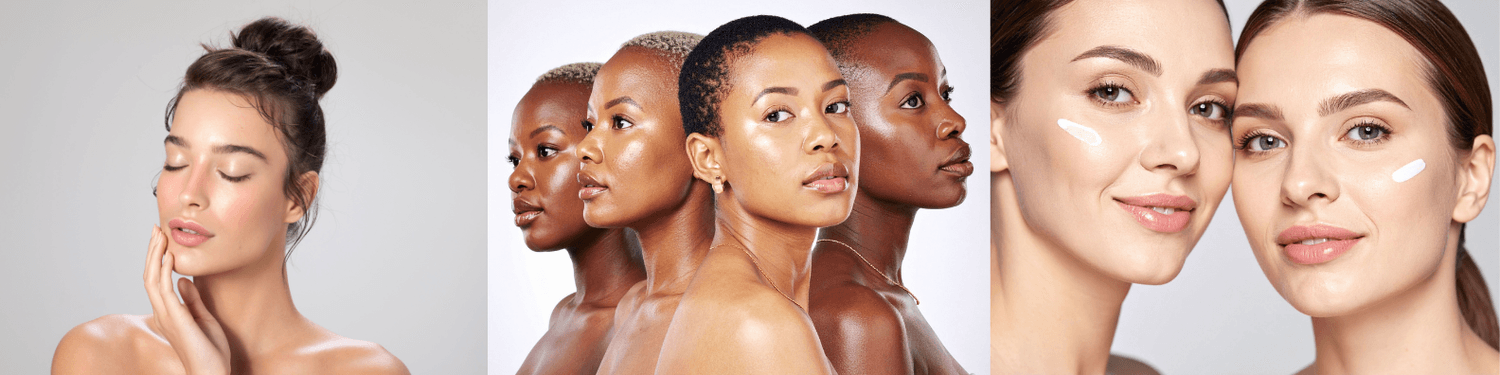
Cultural Diversity and Beauty
Beauty is a concept that has fascinated humanity for thousands of years. It appears in art, literature, philosophy, and everyday life. While beauty is often associated with physical appearance, its meaning extends far beyond surface features. One of the most important aspects of beauty is cultural diversity—the idea that different cultures around the world define, express, and celebrate beauty in unique ways. Cultural diversity enriches our understanding of beauty by showing that there is no single standard that applies to everyone.
In today's globalized world, people are increasingly exposed to different traditions, customs, and perspectives. This exposure has helped reshape how beauty is understood. Rather than viewing beauty through a narrow lens, many societies are beginning to embrace the richness of diversity. Cultural diversity in beauty encourages acceptance, respect, and appreciation for the countless ways human beings express identity, heritage, and individuality.
The Cultural Foundations of Beauty
Every culture has its own history, traditions, and values that shape how beauty is perceived. These influences are often passed down through generations and reflected in clothing, hairstyles, body art, cosmetics, and physical ideals.
For example, in some African cultures, elaborate hairstyles and braided patterns symbolize identity, status, and creativity. In India, beauty traditions often include vibrant clothing, intricate jewelry, and decorative art such as henna applied to the hands. In Japan, traditional beauty ideals have historically emphasized simplicity, elegance, and refined presentation.
These examples illustrate how beauty is not universal in its expression. Instead, it is deeply connected to cultural heritage. What one culture views as beautiful may be different from another culture's standards. This diversity is not a contradiction but rather a reflection of the rich variety of human expression.
Historical Perspectives on Beauty Across Cultures
Throughout history, different societies have developed their own beauty standards. Ancient civilizations provide clear examples of how culture shapes beauty ideals.
In ancient Egypt, both men and women used cosmetics such as kohl eyeliner and scented oils.
Beauty was associated with symmetry, cleanliness, and spiritual balance. Egyptian art often depicted individuals with stylized features that symbolized harmony and order.
In ancient Greece, beauty was linked to proportion and balance. Philosophers believed physical beauty reflected inner harmony. Sculptures from this era demonstrate ideals of symmetry and physical perfection.
Meanwhile, in many Indigenous cultures around the world, beauty has been expressed through body painting, tattoos, and natural adornments made from feathers, shells, or stones. These practices often carry spiritual or cultural significance beyond aesthetics.
These historical examples show that beauty has always been shaped by culture, tradition, and social values.
Cultural Diversity in Physical Features
One of the most powerful aspects of cultural diversity in beauty is the celebration of different physical features. Humanity is incredibly diverse, with variations in skin tones, hair textures, facial structures, and body types.
In the past, some societies promoted narrow beauty standards that excluded many people. However, modern conversations about beauty increasingly emphasize inclusivity and representation.
For example, the recognition of diverse skin tones has led to broader representation in media, fashion, and cosmetics industries. Beauty brands now produce products designed for a wide range of complexions, reflecting a growing understanding that beauty exists in every shade.
Hair texture is another area where cultural diversity plays an important role. Natural curls, coils, waves, and straight hair all reflect unique genetic heritage. Many people today celebrate natural hairstyles as a way to honor cultural identity and personal authenticity.
The acceptance of diverse physical features helps challenge unrealistic beauty standards and encourages people to appreciate the uniqueness of human appearance.
Beauty Traditions Around the World
Across the globe, beauty traditions vary widely, reflecting the creativity and cultural values of different communities.
In many Middle Eastern cultures, beauty rituals often include the use of natural ingredients such as rose water, olive oil, and argan oil. These ingredients have been used for centuries in skincare and hair care practices.
In Korea, beauty culture has become internationally recognized for its focus on skincare routines that emphasize hydration, protection, and healthy skin. The Korean beauty industry has influenced global beauty trends with its innovative products and techniques.
In Latin American cultures, beauty is often associated with vibrancy, confidence, and expressive style. Bright colors, bold fashion choices, and lively cultural celebrations play a significant role in expressing beauty.
Indigenous communities around the world often incorporate nature into their beauty practices, using plant-based ingredients and traditional knowledge passed down through generations.
These traditions demonstrate how beauty is shaped by environment, culture, and community.
Media and the Changing Definition of Beauty
The media has historically played a powerful role in shaping beauty standards. For many years, mainstream media promoted limited representations of beauty that often favored specific body types, skin tones, and facial features.
However, in recent decades, there has been a growing movement toward diversity and representation. Social media platforms, global communication, and cultural awareness have helped amplify voices that challenge traditional beauty norms.
Models, influencers, and activists from diverse backgrounds now share their stories and perspectives, encouraging broader acceptance of different forms of beauty. Campaigns promoting body positivity, natural beauty, and self-acceptance have gained widespread support.
This shift reflects a growing recognition that beauty cannot be confined to a single ideal. Instead, beauty thrives when diversity is embraced.
Cultural Identity and Personal Expression
Beauty is often closely connected to cultural identity. For many individuals, beauty practices serve as a way to express heritage, traditions, and personal values.
Clothing styles, hairstyles, jewelry, and makeup can all reflect cultural pride and identity. For example, traditional garments worn during cultural celebrations often carry symbolic meanings related to history, spirituality, or family heritage.
Body art is another powerful form of cultural expression. Tattoos, piercings, and decorative patterns have been used in many cultures to represent life milestones, social status, or spiritual beliefs.
Through these forms of expression, beauty becomes more than physical appearance. It becomes a reflection of identity and belonging.
The Role of Beauty in Cultural Exchange
As people travel, communicate, and interact across cultures, beauty traditions often influence one another. Cultural exchange allows individuals to learn from different traditions and incorporate new ideas into their own beauty practices.
For example, global fashion trends often blend styles from multiple cultures. Skincare techniques, hair styling methods, and cosmetic products frequently cross cultural boundaries.
This exchange can lead to greater appreciation for cultural diversity when done respectfully. Learning about beauty traditions from different cultures encourages curiosity and understanding.
However, it is also important to approach cultural exchange with respect and awareness. Recognizing the origins and meanings of cultural practices helps ensure they are honored rather than misrepresented.
Inner Beauty and Cultural Values
Many cultures emphasize that true beauty extends beyond physical appearance. Inner qualities such as kindness, wisdom, humility, and compassion are often viewed as essential components of beauty.
In many spiritual traditions, inner character is considered more important than outward appearance. A person who demonstrates integrity, generosity, and empathy is often regarded as truly beautiful.
This perspective encourages people to focus on personal growth, relationships, and positive contributions to their communities. Cultural diversity reminds us that beauty is not only about how someone looks but also about how they live and interact with others.
The Future of Beauty in a Diverse World
As societies become more interconnected, the future of beauty will likely continue to evolve. Cultural diversity will play an increasingly important role in shaping beauty standards that are inclusive, respectful, and representative of humanity's richness.
Young generations today are growing up in a world where diversity is more visible than ever before. They are exposed to people from different backgrounds, cultures, and traditions through travel, education, and digital media.
This exposure encourages greater openness and acceptance. Rather than striving to fit into narrow beauty ideals, many people are embracing individuality and authenticity.
Industries such as fashion, cosmetics, and media are also recognizing the importance of representation. Inclusive marketing, diverse models, and culturally inspired products reflect the changing landscape of beauty.
Celebrating Beauty Through Diversity
Cultural diversity teaches us that beauty is not limited to a single definition. Instead, beauty appears in countless forms, shaped by culture, heritage, and personal identity.
Every culture contributes unique perspectives, traditions, and expressions that enrich the global understanding of beauty. From traditional clothing and hairstyles to modern fashion and personal style, diversity allows people to celebrate who they are.
When societies embrace cultural diversity in beauty, they promote respect, equality, and appreciation for human uniqueness. This perspective encourages people to see beauty not as a rigid standard but as a dynamic expression of culture, creativity, and individuality.
Conclusion
Cultural diversity plays a vital role in shaping the way beauty is understood and appreciated around the world. Each culture brings its own traditions, values, and artistic expressions that contribute to the broader definition of beauty.
By recognizing and celebrating these differences, societies can move beyond narrow standards and embrace a more inclusive vision of beauty. Cultural diversity reminds us that beauty is not confined to a single appearance or style. Instead, it is reflected in the countless ways people express their identity, heritage, and individuality.
Ultimately, beauty becomes most powerful when it is inclusive, respectful, and appreciative of the diversity that makes humanity unique. When we celebrate cultural diversity, we also celebrate the richness of the human experience itself.