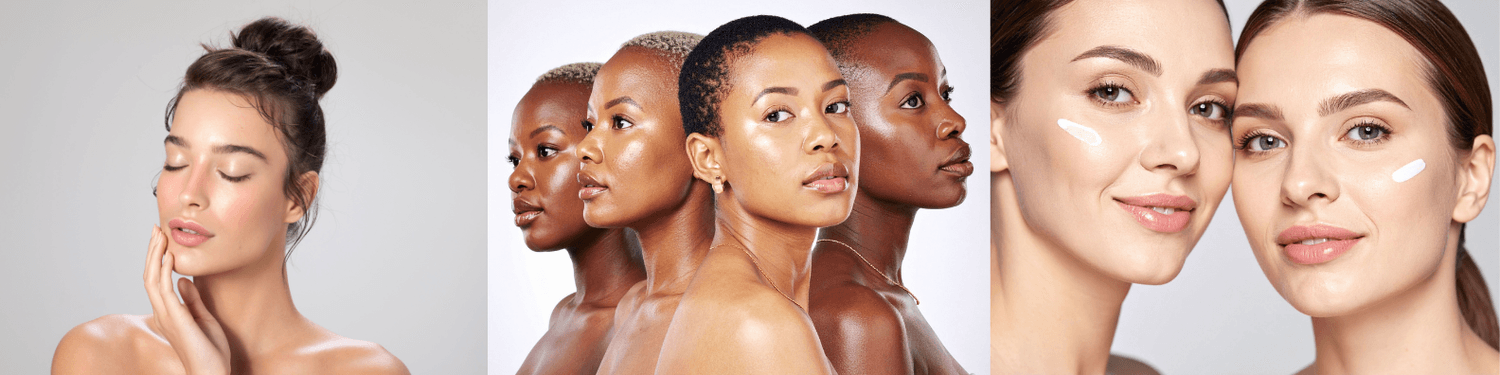
The Beauty Industry and Empowerment: Redefining Confidence in the Modern World
The beauty industry has long been a powerful force in shaping how individuals perceive themselves and others. From ancient rituals using natural ingredients to today’s billion-dollar global market driven by innovation and social media, beauty has always held cultural, emotional, and psychological significance. However, in recent years, the conversation surrounding beauty has shifted dramatically—from rigid standards and external validation to inclusivity, authenticity, and empowerment. Today, the beauty industry is not just about appearance; it is increasingly about identity, confidence, and self-expression.
The Evolution of Beauty Standards
Historically, beauty standards were often narrow and exclusionary. In many societies, they were influenced by colonialism, media representation, and social hierarchies that prioritized certain skin tones, body types, and facial features. These standards were reinforced through advertising, film, and fashion, creating unrealistic ideals that many people struggled to meet.
However, the modern beauty industry is undergoing a transformation. Consumers are demanding representation and authenticity, pushing brands to expand their definitions of beauty. This shift is evident in the rise of diverse models, inclusive shade ranges, and campaigns that celebrate different ages, sizes, ethnicities, and gender identities. Beauty is no longer a one-size-fits-all concept—it is becoming a spectrum that embraces individuality.
Beauty as a Tool for Self-Expression
One of the most empowering aspects of the contemporary beauty industry is its emphasis on self-expression. Makeup, skincare, and personal style are no longer solely about conforming to societal expectations; they are tools individuals use to tell their stories and express their identities.
For some, a bold lipstick or intricate eye makeup design is a form of artistic expression. For others, a minimalist skincare routine represents self-care and mindfulness. The freedom to choose how one presents themselves—whether through glamorous looks or natural aesthetics—has become a cornerstone of empowerment.
Social media platforms have played a significant role in this shift. Content creators and influencers share tutorials, personal journeys, and honest reviews, creating a more democratic and accessible beauty space. This has allowed individuals from diverse backgrounds to showcase their perspectives, challenging traditional gatekeepers of beauty.
The Rise of Inclusivity and Representation
Inclusivity has become a defining feature of the modern beauty industry. Brands that once catered to limited demographics are now expanding their offerings to reflect the diversity of their consumers. This includes broader foundation shade ranges, products designed for different hair textures, and campaigns featuring people of all abilities and identities.
Representation matters because it validates experiences and fosters a sense of belonging. When individuals see themselves reflected in beauty campaigns, it reinforces the idea that they are worthy and beautiful as they are. This shift has been particularly impactful for marginalized communities who were historically excluded from mainstream beauty narratives.
Moreover, inclusivity extends beyond products and marketing. Many companies are now prioritizing diverse leadership teams and collaborating with creators from underrepresented communities. This ensures that inclusivity is not just a trend but a fundamental value embedded within the industry.
Empowerment Through Entrepreneurship
The beauty industry has also become a powerful avenue for entrepreneurship and economic empowerment. With relatively low barriers to entry compared to other industries, individuals can launch their own beauty brands, become independent makeup artists, or build online platforms centered around beauty content.
This democratization has allowed many people—especially women and minority entrepreneurs—to take control of their financial futures. Small businesses and indie brands often bring fresh perspectives and innovative products to the market, challenging established companies and driving progress.
E-commerce and digital marketing have further accelerated this trend. Platforms like Instagram, TikTok, and YouTube enable entrepreneurs to connect directly with their audiences, build communities, and scale their businesses without relying solely on traditional retail channels.
The Role of Self-Care and Mental Well-Being
Beauty is increasingly being linked to self-care and mental well-being. Skincare routines, spa treatments, and grooming rituals are no longer seen as superficial activities but as essential practices for maintaining emotional health.
Taking time to care for one’s appearance can be a form of self-respect and mindfulness. It provides an opportunity to slow down, focus on oneself, and create moments of calm in a busy world. For many, these rituals are deeply personal and therapeutic.
However, it is important to balance this perspective with awareness. While beauty practices can enhance well-being, they should not become sources of pressure or insecurity. The industry’s shift toward promoting inner confidence and self-acceptance is crucial in maintaining this balance.
Challenging Unrealistic Expectations
Despite progress, the beauty industry still faces challenges. Social media filters, photo editing, and curated content can create unrealistic expectations and perpetuate comparison. Even as inclusivity grows, there remains a tension between authenticity and idealization.
Empowerment in this context involves critical awareness. Consumers are becoming more informed and discerning, questioning marketing claims and advocating for transparency.
Movements promoting “real beauty” and unfiltered content are gaining traction, encouraging individuals to embrace their natural selves.
Brands are also responding by showcasing unretouched images and promoting messages of self-love. While this shift is not without its complexities, it represents a step toward a more honest and empowering beauty culture.
Gender and Beauty: Breaking Stereotypes
Another significant development in the beauty industry is the breaking down of gender norms. Beauty is no longer confined to women; men and non-binary individuals are increasingly participating in and shaping the industry.
Men’s grooming products, makeup lines for all genders, and campaigns featuring diverse gender expressions are becoming more common. This inclusivity challenges outdated stereotypes and allows individuals to explore beauty on their own terms.
By embracing fluidity and diversity, the beauty industry is contributing to broader societal conversations about identity and acceptance. This evolution not only empowers individuals but also fosters a more inclusive and compassionate culture.
Sustainability and Ethical Responsibility
Empowerment in the beauty industry also extends to ethical and environmental considerations. Consumers are increasingly aware of the impact their choices have on the planet and are seeking products that align with their values.
This has led to the rise of sustainable beauty practices, including eco-friendly packaging, cruelty-free testing, and ethically sourced ingredients. Brands that prioritize transparency and responsibility are gaining trust and loyalty from conscious consumers.
Choosing sustainable products can be empowering because it allows individuals to make decisions that reflect their values. It transforms beauty routines into acts of responsibility and care—not just for oneself but for the environment and future generations.
The Influence of Technology and Innovation
Technology continues to reshape the beauty industry in ways that enhance empowerment. From virtual try-on tools to personalized skincare recommendations powered by artificial intelligence, innovation is making beauty more accessible and tailored to individual needs.
These advancements allow consumers to make informed decisions and find products that truly work for them. They also reduce the trial-and-error process, saving time and resources.
Furthermore, online communities and digital platforms provide spaces for education and connection. Individuals can learn about skincare, makeup techniques, and product ingredients, empowering them to take control of their beauty journeys.
The Future of Beauty and Empowerment
As the beauty industry continues to evolve, its role in empowerment is likely to expand. The focus is shifting from external validation to internal confidence, from exclusivity to inclusivity, and from conformity to individuality.
Future trends may include even greater personalization, increased representation, and deeper integration of wellness and sustainability. The industry has the potential to become a powerful platform for positive change, influencing how people perceive themselves and others.
However, this progress requires ongoing commitment. Brands, creators, and consumers must continue to challenge outdated norms, advocate for inclusivity, and prioritize authenticity.
Empowerment is not a destination but a continuous journey.
Conclusion
The beauty industry is no longer just about products and aesthetics—it is about empowerment, identity, and self-expression. By embracing diversity, promoting inclusivity, and encouraging authenticity, it has the potential to uplift individuals and foster confidence.
While challenges remain, the industry’s transformation reflects a broader cultural shift toward acceptance and self-love. Beauty is becoming less about meeting standards and more about celebrating uniqueness.
Ultimately, empowerment in the beauty industry lies in choice—the choice to define beauty on one’s own terms, to embrace individuality, and to find confidence within. As this movement continues to grow, it is reshaping not only the industry itself but also the way people see themselves and the world around them.