Beauty in the Modern World

Beauty has always been a powerful concept in human society, shaping culture, identity, art, and personal perception. In the modern world, beauty has evolved beyond traditional standards of appearance and has become a complex and multifaceted idea influenced by technology, media, cultural diversity, and changing social values. Today, beauty is not only about physical appearance but also about confidence, authenticity, individuality, and self-expression. As society continues to evolve, so does the meaning of beauty, reflecting deeper conversations about identity, inclusivity, and personal empowerment.
The Evolution of Beauty Standards
Historically, beauty standards were often rigid and influenced by specific cultural ideals. In many ancient civilizations, beauty symbolized health, fertility, wealth, and social status. For example, ancient Egyptian art celebrated symmetrical features and elaborate adornment, while Renaissance Europe admired fuller figures as a symbol of prosperity and vitality.
In contrast, the modern world has seen beauty standards constantly shifting due to globalization, cultural exchange, and the rise of digital media. What is considered beautiful today may differ greatly from past generations. Modern beauty trends emphasize fitness, clear skin, balanced features, and personal grooming, but these ideals continue to evolve.
However, unlike earlier eras where beauty standards were dictated by limited cultural influences, today’s world exposes people to a wide variety of aesthetics. This exposure has gradually expanded the definition of beauty, allowing individuals from different cultures, body types, and backgrounds to be recognized and appreciated.
The Role of Media and Technology
One of the most significant influences on modern beauty is media and technology. Television, film, fashion magazines, and advertising have long shaped perceptions of beauty. In the past, these industries often promoted narrow standards of attractiveness, typically emphasizing youth, thinness, and specific facial features.
The rise of the internet and social media has dramatically changed this dynamic. Platforms like Instagram, TikTok, and YouTube allow individuals to create their own content and redefine beauty on their own terms. Influencers, makeup artists, fitness trainers, and lifestyle creators showcase diverse styles and perspectives, helping to challenge traditional beauty norms.
However, technology has also introduced new challenges. Photo-editing tools, filters, and artificial enhancements can create unrealistic expectations of perfection. Many people compare themselves to digitally altered images, which can affect self-esteem and body image. As a result, there has been growing awareness about digital authenticity and the importance of promoting realistic representations of beauty.
Diversity and Inclusivity in Beauty
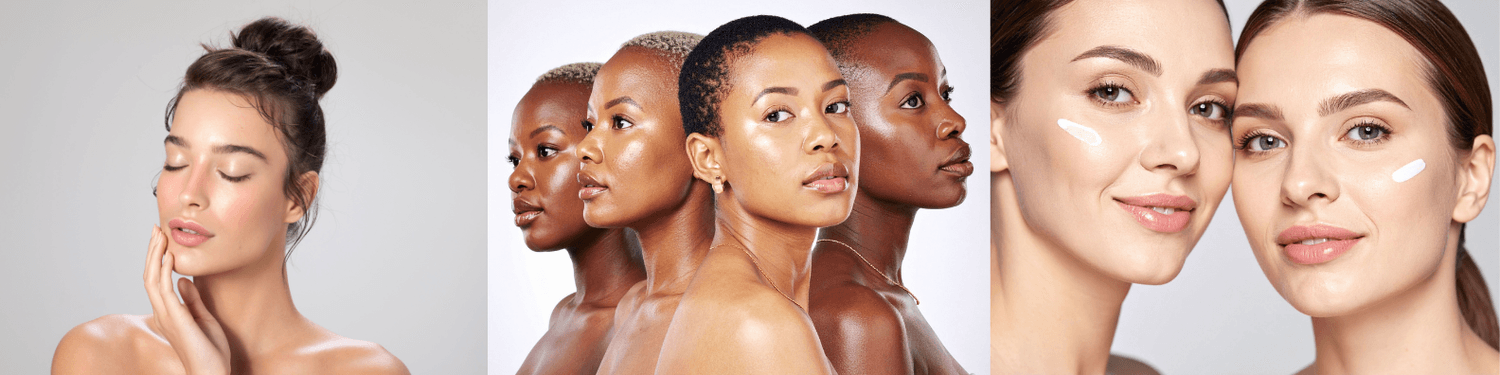
Modern beauty is increasingly defined by diversity and inclusivity. In recent years, there has been a cultural shift toward celebrating different skin tones, body shapes, hair textures, ages, and identities. This shift reflects broader social movements that emphasize equality, representation, and acceptance.
The beauty industry itself has begun responding to this change. Many cosmetic brands now offer expanded shade ranges for foundation and makeup products to accommodate various skin tones.
Advertising campaigns increasingly feature models of different ethnic backgrounds, sizes, and ages.
This transformation is important because representation matters. When people see individuals who look like them portrayed positively in media and advertising, it helps build confidence and reinforces the idea that beauty exists in many forms.
Furthermore, modern beauty conversations often challenge outdated stereotypes and emphasize that attractiveness should not be limited to one specific image or body type.
Beauty and Self-Expression
In the modern world, beauty has also become a powerful form of self-expression. People use fashion, hairstyles, makeup, tattoos, and personal style to communicate their identity and creativity. Instead of conforming to rigid standards, many individuals embrace their unique traits and use beauty as a way to express individuality.
Makeup, for instance, is no longer viewed solely as a tool for hiding imperfections. For many people, it is a form of art. Bold colors, creative designs, and experimental styles allow individuals to transform their appearance and showcase their personality.
Fashion also plays a major role in modern beauty culture. Clothing choices can reflect cultural heritage, personal values, or social identity. From minimalist styles to vibrant street fashion, modern beauty celebrates creativity and personal freedom.
This emphasis on individuality highlights an important shift in the meaning of beauty. Rather than striving to look like someone else, modern beauty encourages people to embrace their authentic selves.
The Connection Between Health and Beauty
Another major aspect of modern beauty is the growing connection between health and appearance. Today, beauty is often associated with wellness, self-care, and overall well-being.
Healthy skin, strong hair, and physical vitality are frequently seen as indicators of good lifestyle habits. As a result, many people focus on nutrition, exercise, hydration, and skincare as part of their beauty routines.
The wellness industry has expanded significantly, promoting practices such as yoga, meditation, skincare rituals, and holistic health. These practices not only improve physical appearance but also contribute to mental and emotional well-being.
Self-care has become an essential part of modern beauty culture. Taking time to care for one’s body and mind is increasingly viewed as an act of self-respect and empowerment.
The Impact of Social Media
Social media has played a complex role in shaping beauty in the modern world. On one hand, it has democratized beauty by allowing anyone to share their personal style and influence global trends. Individuals who may not fit traditional beauty standards can gain massive followings and inspire others.
On the other hand, social media can also amplify pressure to maintain a perfect appearance. Constant exposure to curated images and lifestyle content may create unrealistic expectations. This phenomenon has contributed to increased conversations about body positivity and mental health.
In response, many influencers and creators now promote transparency by sharing unfiltered photos, discussing insecurities, and encouraging self-acceptance. These efforts help challenge unrealistic ideals and remind audiences that beauty includes imperfections.
The Rise of Body Positivity
One of the most important movements shaping modern beauty is body positivity. This movement encourages people to accept and appreciate their bodies regardless of size, shape, or physical differences.
For many years, mainstream media promoted extremely narrow beauty standards that excluded many individuals. The body positivity movement challenges these ideals and promotes self-love and confidence.
People are increasingly encouraged to celebrate their natural features, whether it be stretch marks, freckles, natural hair, or unique body shapes. This shift reflects a broader cultural understanding that beauty is not limited to perfection.
The body positivity movement has also helped reduce stigma around aging, disabilities, and other physical differences, allowing more people to feel represented and valued.
Beauty Beyond Physical Appearance
Perhaps one of the most meaningful changes in modern beauty is the growing recognition that beauty extends beyond physical appearance. Inner qualities such as kindness, intelligence, compassion, and confidence are increasingly recognized as essential elements of beauty.
A person’s character, attitude, and energy can greatly influence how others perceive them.
Confidence, in particular, is often described as one of the most attractive traits a person can possess.
Modern discussions about beauty emphasize authenticity and emotional well-being. Being comfortable in one’s own skin and embracing individuality often creates a stronger sense of beauty than simply meeting external standards.
This broader understanding encourages people to focus not only on how they look but also on how they live, treat others, and contribute to the world around them.
The Future of Beauty
As society continues to evolve, the concept of beauty will likely keep expanding. Technological advancements, cultural exchange, and social movements will continue shaping how beauty is defined and experienced.
Future beauty trends may emphasize sustainability, natural products, and ethical practices within the beauty industry. Consumers are becoming more conscious of environmental impact, cruelty-free products, and responsible sourcing.
Artificial intelligence and virtual technology may also play a role in shaping beauty experiences, from personalized skincare routines to digital fashion and augmented reality makeup tools.
However, the most significant shift in the future of beauty may be the continued emphasis on individuality and inclusivity. Rather than striving for a single universal standard, society may increasingly celebrate the diverse ways people express themselves.
Conclusion
Beauty in the modern world is far more complex and inclusive than it has been in the past. While traditional beauty standards once dominated cultural expectations, today’s society recognizes that beauty exists in many forms and expressions.
Technology, media, and cultural movements have helped reshape how people perceive beauty, encouraging diversity, authenticity, and self-expression. At the same time, the modern conversation about beauty increasingly emphasizes health, confidence, and inner qualities.
Ultimately, beauty in the modern world is not defined by perfection but by individuality. It reflects the unique qualities, cultures, and experiences that make each person distinct. As society continues to embrace diversity and authenticity, the meaning of beauty will continue to evolve, becoming more empowering and inclusive for people everywhere.