Beauty in the Digital Age
In today’s hyperconnected world, beauty has taken on new meaning, shaped not only by cultural traditions and personal preferences but also by the rapid evolution of digital technology. From social media platforms to augmented reality filters, the digital age has redefined how beauty is perceived, expressed, and consumed. While this transformation has created opportunities for inclusivity and creativity, it has also introduced challenges related to authenticity, self-esteem, and societal expectations.
At its core, beauty has always been a reflection of both internal and external qualities. Historically, standards of beauty were influenced by geography, culture, and time period. However, the digital age has globalized these standards, exposing individuals to a constant stream of images, trends, and ideals from around the world. Platforms like Instagram, TikTok, and YouTube have become powerful forces in shaping what is considered attractive, often promoting certain looks, lifestyles, and aesthetics that quickly gain popularity.
One of the most significant changes in the digital age is the rise of curated identities. Social media allows individuals to present idealized versions of themselves through carefully selected photos, videos, and captions. With the help of editing tools, filters, and apps, people can enhance their appearance, smooth imperfections, and create a polished digital persona. While this can be empowering and creative, it also blurs the line between reality and illusion. As a result, many users may feel pressure to meet unrealistic standards that are not attainable in everyday life.
The beauty industry has embraced digital transformation as well. Brands now rely heavily on influencers, content creators, and online marketing strategies to reach audiences. Influencers, in particular, play a major role in defining trends and promoting products. Their recommendations often feel more personal and relatable than traditional advertisements, which has shifted consumer trust toward peer-driven content. However, this influence can also lead to overconsumption and a constant desire to keep up with ever-changing beauty trends.
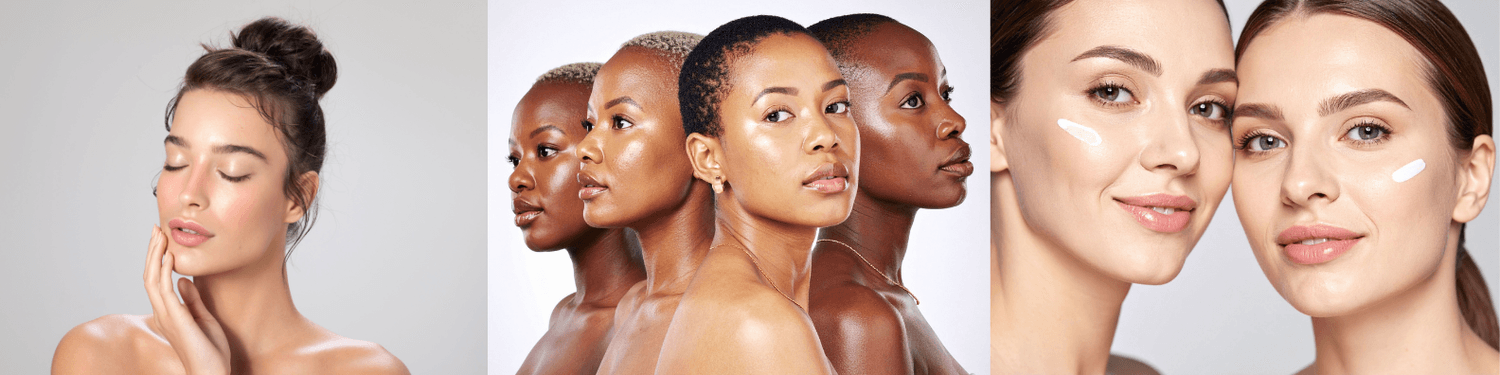
Another important aspect of beauty in the digital age is the rise of inclusivity and diversity. Unlike traditional media, which often showcased limited representations of beauty, digital platforms have given a voice to individuals from diverse backgrounds. People of different skin tones, body types, ages, and identities are now able to share their stories and redefine beauty on their own terms. Movements promoting body positivity, natural beauty, and self-acceptance have gained momentum online, challenging outdated ideals and encouraging people to embrace their uniqueness.
Technology has also introduced innovative tools that enhance the beauty experience. Augmented reality (AR) allows users to try on makeup virtually, experiment with hairstyles, and explore different looks without physical commitment. Artificial intelligence (AI) is being used to personalize skincare routines, recommend products, and analyze individual needs. These advancements make beauty more accessible and customizable, empowering individuals to make informed choices that suit their preferences.
Despite these positive developments, the digital age has also brought attention to the darker side of beauty culture. The constant exposure to edited images and idealized lifestyles can contribute to feelings of inadequacy and low self-esteem. Studies have shown that excessive use of social media can negatively impact mental health, particularly among young people. The comparison culture fueled by likes, comments, and follower counts can lead individuals to measure their worth based on external validation rather than internal confidence.
Additionally, the phenomenon of “filter culture” has raised concerns about self-perception. Filters that alter facial features—such as smoothing skin, enlarging eyes, or reshaping the nose—can create unrealistic expectations of how one should look. In some cases, this has even influenced cosmetic procedures, with individuals seeking to replicate their filtered appearance in real life.
This trend highlights the growing disconnect between digital beauty and natural human features.
The digital age has also accelerated the pace of beauty trends. What is popular today may be outdated tomorrow, leading to a cycle of constant change and reinvention. While this keeps the industry dynamic and exciting, it can also create pressure to continuously adapt and stay relevant.
For many, this fast-paced environment can be overwhelming and financially demanding.
However, amidst these challenges, there is a growing movement toward authenticity and mindful consumption. Many individuals and creators are choosing to share unfiltered images, honest experiences, and real-life struggles. This shift encourages transparency and helps build genuine connections among audiences. It also reminds people that beauty is not about perfection but about self-expression and confidence.
Education and awareness play a crucial role in navigating beauty in the digital age. By understanding how images are edited and how algorithms influence content, individuals can develop a more critical perspective on what they see online. Encouraging digital literacy helps people recognize unrealistic standards and reduces the impact of comparison culture. It also empowers users to curate their digital environments in ways that support their well-being.
Parents, educators, and communities also have an important role in guiding younger generations. Teaching self-worth, resilience, and media awareness can help individuals build a healthy relationship with beauty and technology. Open conversations about self-image and mental health are essential in creating a supportive environment where people feel valued beyond their appearance.
Ultimately, beauty in the digital age is a complex and evolving concept. It is shaped by technology, culture, and individual experiences, reflecting both the opportunities and challenges of modern life. While digital platforms have expanded the definition of beauty and made it more inclusive, they have also introduced new pressures and expectations.
The key to navigating this landscape lies in balance. Embracing the creative and empowering aspects of digital beauty while maintaining a strong sense of self is essential. True beauty goes beyond filters, trends, and external validation—it is rooted in authenticity, confidence, and self-acceptance.
As technology continues to advance, the conversation around beauty will undoubtedly evolve. By prioritizing inclusivity, mental well-being, and authenticity, society can redefine beauty in a way that celebrates individuality rather than conformity. In doing so, the digital age can become a space where beauty is not just seen but truly understood and appreciated in all its diverse forms.