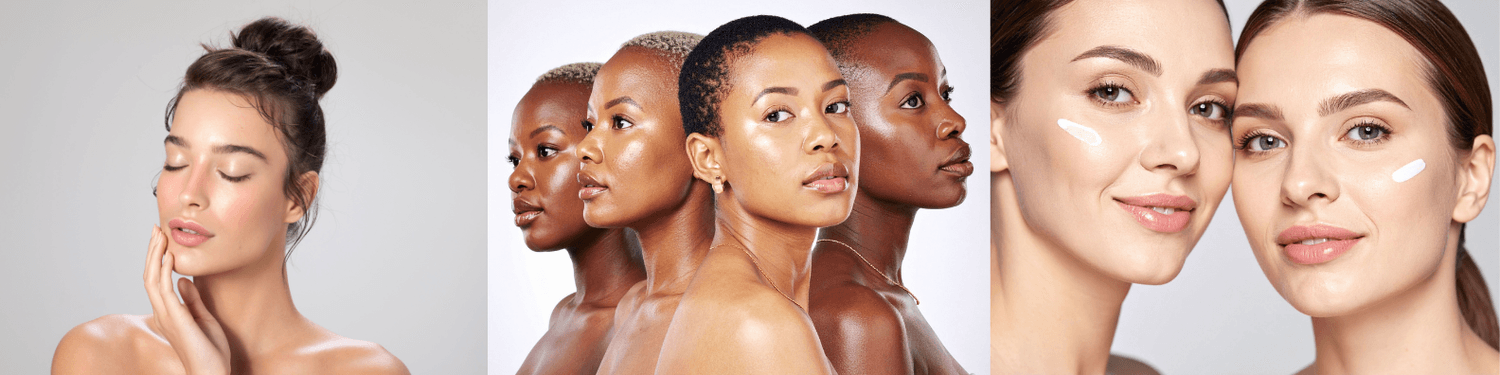
Beauty and Confidence
Beauty and confidence are deeply connected aspects of human identity and self-expression.
While beauty is often discussed in terms of physical appearance, true beauty extends far beyond outward looks. Confidence, on the other hand, is an inner strength that shapes how individuals perceive themselves and interact with the world around them. When beauty and confidence align, they create a powerful presence that influences personal relationships, career success, emotional well-being, and overall quality of life.
Understanding the relationship between beauty and confidence helps reveal that beauty is not simply something a person possesses—it is something they embody through their attitude, self-belief, and authenticity.
The Meaning of Beauty
Beauty has been defined differently across cultures and historical periods. In many societies, beauty standards have often focused on physical traits such as facial symmetry, body shape, hair, and skin tone. Media, fashion, and advertising have traditionally influenced these standards, shaping what people perceive as attractive.
However, modern perspectives increasingly recognize that beauty is much broader than physical features. Beauty includes personality, kindness, emotional intelligence, creativity, and authenticity.
A person’s energy, confidence, and attitude often play a larger role in how others perceive their beauty than physical appearance alone.
For example, someone who walks into a room with confidence, warmth, and positivity may instantly appear more attractive than someone who is physically striking but lacks self-assurance.
This demonstrates that beauty is not static—it is dynamic and influenced by inner qualities.
Understanding Confidence
Confidence is the belief in one’s own abilities, value, and worth. It reflects how individuals see themselves and how comfortable they feel expressing who they truly are.
Confident people typically:
Trust their decisions
Accept their strengths and weaknesses
Express themselves openly
Handle challenges with resilience
Maintain a positive self-image
Confidence does not mean perfection or arrogance. Instead, it means embracing oneself fully, including imperfections and vulnerabilities.
True confidence comes from self-awareness and self-acceptance. When people stop trying to meet unrealistic expectations and begin appreciating their unique qualities, they naturally develop stronger confidence.
The Connection Between Beauty and Confidence
Beauty and confidence are strongly interconnected. Confidence enhances beauty, and feeling beautiful often boosts confidence. This relationship creates a positive cycle.
When individuals feel confident, they tend to:
Maintain better posture
Smile more often
Engage more comfortably with others
Express themselves with clarity
Radiate positive energy
These behaviors naturally enhance attractiveness.
Similarly, when individuals feel good about their appearance—whether through self-care, fashion, grooming, or personal style—it can elevate their self-esteem and confidence.
However, the most powerful beauty comes from inner confidence rather than external validation.
People who rely solely on outside approval often struggle with insecurity. True confidence grows from self-respect and inner acceptance.
The Role of Self-Acceptance
Self-acceptance is one of the most important foundations of both beauty and confidence. In a world filled with filters, edited images, and unrealistic beauty standards, many individuals struggle with comparing themselves to others.
Constant comparison can lead to:
Low self-esteem
Body image issues
Anxiety about appearance
Lack of confidence
Learning to accept oneself helps break this cycle. Self-acceptance means recognizing that every person is unique and valuable. It involves appreciating one’s strengths while embracing imperfections as part of being human.
When individuals accept themselves, they stop trying to imitate others and instead highlight their authentic qualities. Authenticity often becomes one of the most attractive traits a person can possess.
Inner Beauty and Its Impact
Inner beauty refers to the qualities that define a person’s character. Traits such as kindness, compassion, empathy, patience, and generosity contribute significantly to how people are perceived.
Someone who demonstrates kindness and respect toward others naturally becomes more appealing. These qualities build meaningful relationships and foster trust.
Inner beauty also influences self-confidence. Individuals who cultivate positive character traits often feel a deeper sense of self-worth. This inner strength creates a calm and confident presence that others admire.
Unlike physical appearance, inner beauty does not fade over time. In fact, it often grows stronger with life experience and emotional maturity.
The Influence of Self-Care
Self-care plays an essential role in maintaining both beauty and confidence. Taking care of one’s physical, mental, and emotional health contributes to overall well-being.
Self-care can include:
Healthy nutrition
Regular exercise
Proper sleep
Skin care and grooming
Stress management
Mindfulness practices
When individuals prioritize their well-being, they naturally feel better about themselves. This improved sense of wellness enhances confidence and allows natural beauty to shine.
Self-care is not about vanity—it is about respect for oneself. Investing time and energy into personal well-being communicates that one values their health and happiness.
The Role of Style and Personal Expression
Personal style is another way beauty and confidence intersect. Fashion, hairstyles, makeup, and accessories allow individuals to express their personality and creativity.
When people dress in ways that reflect their identity, they often feel more comfortable and confident. Clothing can influence mood, posture, and attitude.
For example, wearing clothing that fits well and aligns with personal taste can instantly elevate self-confidence. It creates a sense of empowerment and self-expression.
However, true style is not about following trends—it is about discovering what makes an individual feel authentic and comfortable.
Social Perception and Confidence
Confidence also affects how others perceive beauty. Psychological studies suggest that people are naturally drawn to individuals who demonstrate self-assurance.
Confidence signals several positive qualities, including:
Emotional stability
Competence
Leadership ability
Social comfort
These traits often make individuals appear more attractive and approachable.
Interestingly, people who project confidence tend to receive more positive feedback from others, which further strengthens their self-esteem. This cycle reinforces the connection between confidence and perceived beauty.
Overcoming Insecurity
Many people struggle with insecurity related to appearance or self-worth. Social media, advertising, and cultural pressures often promote narrow definitions of beauty that are difficult to achieve.
Overcoming insecurity requires shifting focus away from comparison and toward personal growth.
Helpful strategies include:
Practicing self-compassion
Limiting exposure to unrealistic media portrayals
Celebrating personal strengths
Surrounding oneself with supportive people
Setting personal goals unrelated to appearance
Building confidence is a gradual process. With time and practice, individuals can learn to appreciate their uniqueness and develop a healthier relationship with beauty.
Confidence in Relationships
Confidence plays a significant role in personal relationships. Individuals who feel comfortable with themselves tend to communicate more effectively and establish stronger connections with others.
Confident individuals often:
Express their needs clearly
Maintain healthy boundaries
Offer emotional support
Demonstrate authenticity
These qualities create trust and emotional intimacy in friendships, family relationships, and romantic partnerships.
Additionally, people who possess self-confidence are less likely to seek constant validation from others. This independence fosters balanced and healthy relationships.
Beauty and Confidence in Professional Life
In professional environments, confidence can significantly impact career success. Individuals who believe in their abilities are more likely to pursue opportunities, speak up in meetings, and demonstrate leadership.
Confidence influences:
Public speaking ability
Decision-making
Networking skills
Career advancement
When professionals carry themselves with confidence, others often perceive them as competent and capable.
While physical appearance may create a first impression, confidence and professionalism ultimately determine long-term success.
The Role of Mindset
A positive mindset is one of the strongest contributors to both beauty and confidence. Thoughts shape how individuals view themselves and their potential.
Negative self-talk can undermine confidence and create self-doubt. Replacing critical thoughts with constructive ones helps build a healthier self-image.
Examples of mindset shifts include:
Replacing “I’m not good enough” with “I am constantly growing.”
Viewing mistakes as opportunities to learn.
Celebrating progress rather than focusing on perfection.
When individuals cultivate a growth-oriented mindset, they develop resilience and inner strength.
Confidence as a Lifelong Journey
Confidence is not something that appears overnight. It evolves through life experiences, personal achievements, challenges, and self-reflection.
As people grow older and gain more life experience, many discover that confidence becomes less dependent on appearance and more rooted in self-awareness and purpose.
Life events such as education, career achievements, personal growth, and overcoming adversity often strengthen confidence over time.
The journey toward confidence is unique for every individual, but the result is a deeper appreciation of one’s identity and potential.
Redefining Beauty
Modern society is gradually redefining beauty to be more inclusive and authentic. Movements promoting body positivity, diversity, and self-love encourage individuals to embrace their natural appearance.
This shift acknowledges that beauty comes in many forms, including different body types, ages, skin tones, and cultural expressions.
When people broaden their understanding of beauty, they create space for individuality and authenticity. This inclusive perspective empowers individuals to feel confident without needing to conform to narrow standards.
Conclusion
Beauty and confidence are deeply intertwined elements of personal identity. While physical appearance may influence how beauty is initially perceived, true beauty is enhanced by inner qualities such as confidence, kindness, authenticity, and self-acceptance.
Confidence allows individuals to embrace their uniqueness and express themselves without fear of judgment. It transforms beauty from something external into something powerful and meaningful.
Ultimately, the most compelling beauty comes from within. When individuals believe in their worth, care for their well-being, and cultivate positive character traits, they radiate a confidence that surpasses physical appearance.
Beauty is not about perfection—it is about authenticity, self-respect, and the confidence to be oneself.